
Indoor Air Quality Testing
If you need professional Air Quality Testing across Sydney and the Central Coast, Health Safety Consultants deliver accurate, compliance-focused solutions tailored to your environment. Our qualified specialists conduct detailed air monitoring, contaminant analysis, and ventilation assessments, providing clear reports and practical recommendations to identify pollution sources, improve indoor conditions, protect occupants, and meet regulatory standards with confidence.
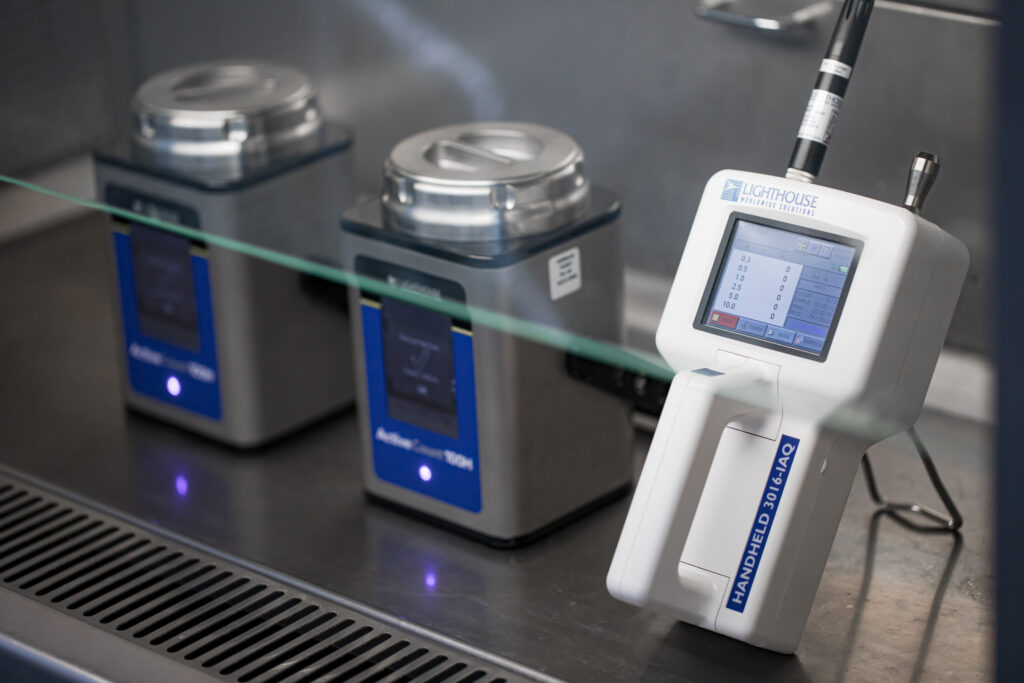
Why Indoor Air Quality Testing is Important
Indoor air pollutants such as VOCs, formaldehyde, mould spores, bacteria, dust, and allergens can accumulate in poorly ventilated buildings or due to contaminated HVAC systems. Exposure can cause immediate effects like headaches, throat or eye irritation, fatigue, and worsening asthma, while long-term exposure may increase the risk of respiratory or cardiovascular conditions. Professional IAQ assessments are essential to safeguard health, comfort, and productivity.
Our Indoor Air Quality Assessment Process
Our IAQ testing includes detailed on-site inspections, reviewing HVAC systems, monitoring temperature, humidity, carbon dioxide, VOCs, formaldehyde, and microbial contaminants, and identifying sources such as mould, dust, chemicals, or outdoor pollutants. We assess immediate effects like headaches and eye irritation, as well as long-term risks such as respiratory or cardiovascular conditions.
- Building Review: Assess occupancy levels, movement patterns, tasks, and any reported symptoms.
- HVAC & Ventilation Evaluation: Inspect air conditioning systems, airflow, filtration, and maintenance history.
- On-Site Inspection: Conduct walk-throughs of occupied areas, consult with occupants and building managers, and identify problem zones.
- Air Quality Monitoring: Measure critical parameters, including airflow, temperature, humidity, carbon dioxide, carbon monoxide, VOCs, formaldehyde, and microbial contamination (mould and bacteria).
- Analysis & Reporting: Identify sources of indoor air quality issues, including allergens, dust, mould growth, inadequate ventilation, or outdoor contamination.
- Remediation & Follow-Up: Provide clear, practical recommendations for remediation, support trades or contractors, and conduct post-remediation verification to ensure results.
Following corrective actions, our specialists provide follow-up inspections and ongoing guidance to ensure indoor air quality issues are resolved effectively, helping maintain healthy and productive environments in line with Australian standards.

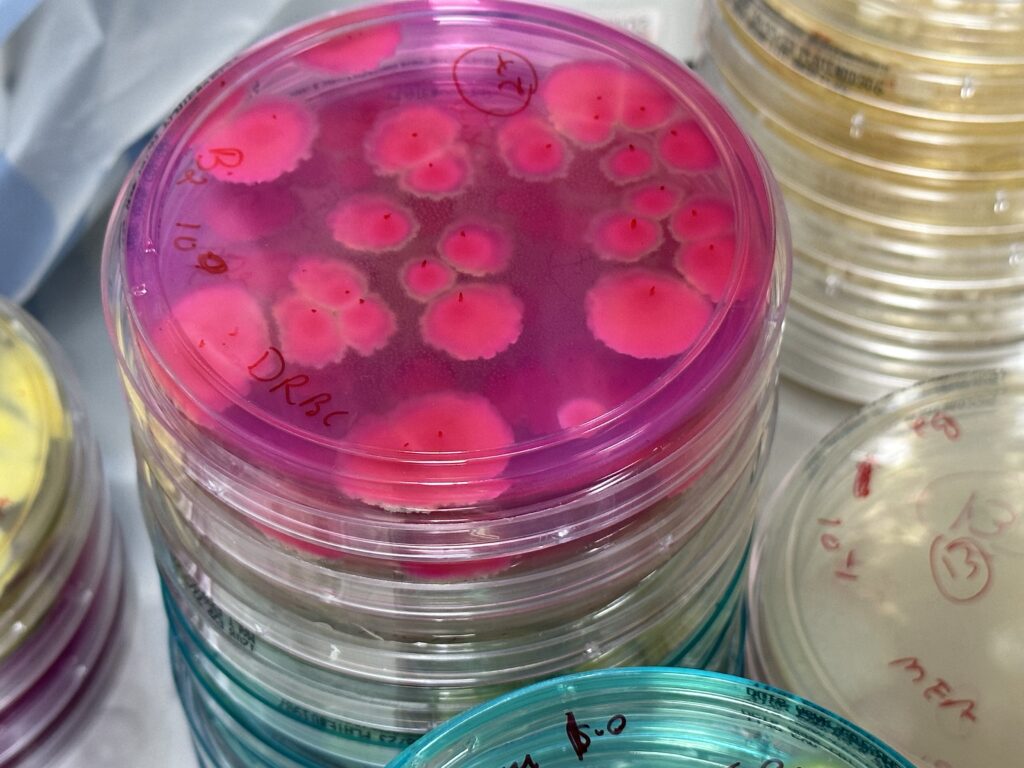
Common Sources of Indoor Air Quality Pollutants
Indoor air quality problems often originate from:
- Ventilation deficiencies: Insufficient airflow, overcrowding, or blocked vents leading to CO₂ buildup.
- Indoor emissions: Carpets, furniture, cleaning products, work processes, and chemical treatments releasing VOCs or formaldehyde.
- Outdoor contamination: Vehicle exhaust, cigarette smoke, plumbing vents, or poorly positioned air intakes.
- Biological sources: Mould, bacteria (including Legionella), dust mites, pollen, bird or rodent droppings.
- Environmental factors: Draughts, temperature extremes, poor lighting, noise, ergonomic stressors, and nuisance odours.
Health Effects of Poor Indoor Air Quality
Exposure to indoor pollutants can cause:
- Immediate effects: Irritation of eyes, nose, throat, headaches, dizziness, fatigue, and worsened asthma symptoms.
- Long-term effects: Respiratory diseases, cardiovascular conditions, and increased susceptibility to chronic illness.
Individual sensitivity varies, making professional indoor air quality testing crucial to prevent health risks.


How to Improve Indoor Air Quality
Effective air quality management integrates three main strategies:
- Source Control: Remove or isolate pollutants using physical barriers, ventilation timing, or process adjustments.
- Ventilation: Improve airflow to dilute and remove contaminants efficiently.
- Filtration & Maintenance: Upgrade and maintain filters, clean ducting, and implement hygiene protocols for HVAC systems.
High standards of hygiene and ventilation are particularly important in air-conditioned offices, commercial facilities, schools, and residential buildings.
Professional IAQ Testing Services in Sydney & Central Coast
Our certified occupational hygienists deliver detailed IAQ testing, investigations, and reporting. We provide practical guidance to address indoor air quality problems, protect occupant health, improve comfort, and ensure compliance with Australian standards.
For more information on indoor air quality essentials you may visit Australian Building Code Board (ABCB), ASHRAE, WHO and Department of the Environment & Energy websites.
Book your Indoor Air Quality Testing today to safeguard health, improve productivity, and ensure regulatory compliance.