
Workplace Noise Assessment
If you need professional Workplace Noise Assessment across Sydney and the Central Coast, Health Safety Consultants provide precise, compliance-focused solutions tailored to your workplace. Our qualified occupational hygiene specialists measure noise exposure, identify high-risk areas, and evaluate sources of excessive sound, delivering clear reports and practical recommendations to reduce hazards, protect employees’ hearing, and ensure full compliance with workplace safety regulations.
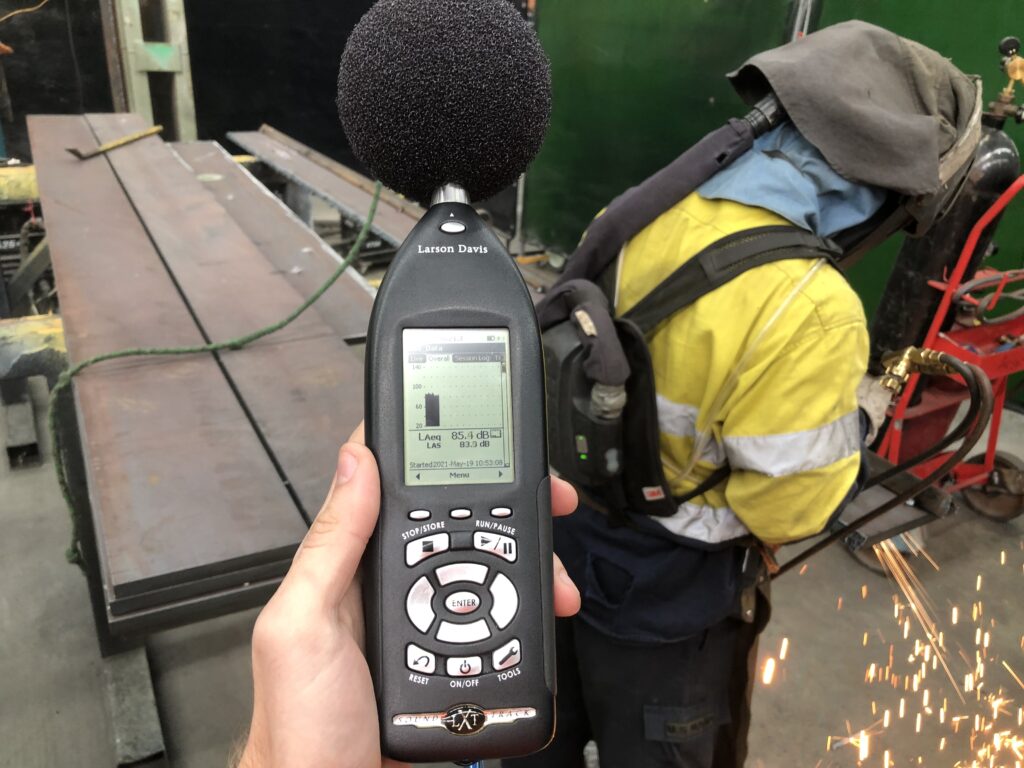
Understanding Hazardous Noise and Legal Exposure Limits
Hazardous noise refers to sound levels that exceed the Workplace Exposure Standard (WES) and can cause Noise Induced Hearing Loss (NIHL) or interfere with communication of critical safety signals.
The Workplace Exposure Standard is divided into two measures:
- LAeq,8h of 85 dB(A) – The 8-hour time-weighted average exposure level that may cause gradual and irreversible hearing damage over time.
- LC,peak of 140 dB(C) – Peak impulse noise exposure from activities such as hammering, impact tools, explosions, or similar high-intensity sound events that can cause immediate hearing damage.
From 1 January 2024, NSW PCBUs are required to provide audiometric testing for workers who are frequently exposed to noise levels exceeding the Workplace Exposure Standard.
These exposure limits are defined under the Work Health and Safety Regulation (NSW) and supported by the Managing Noise and Preventing Hearing Loss at Work Code of Practice. PCBUs have a legal duty to identify hazardous noise, assess exposure risks, and implement effective control measures where the Workplace Exposure Standard is exceeded.
Our Workplace Noise Assessment Process
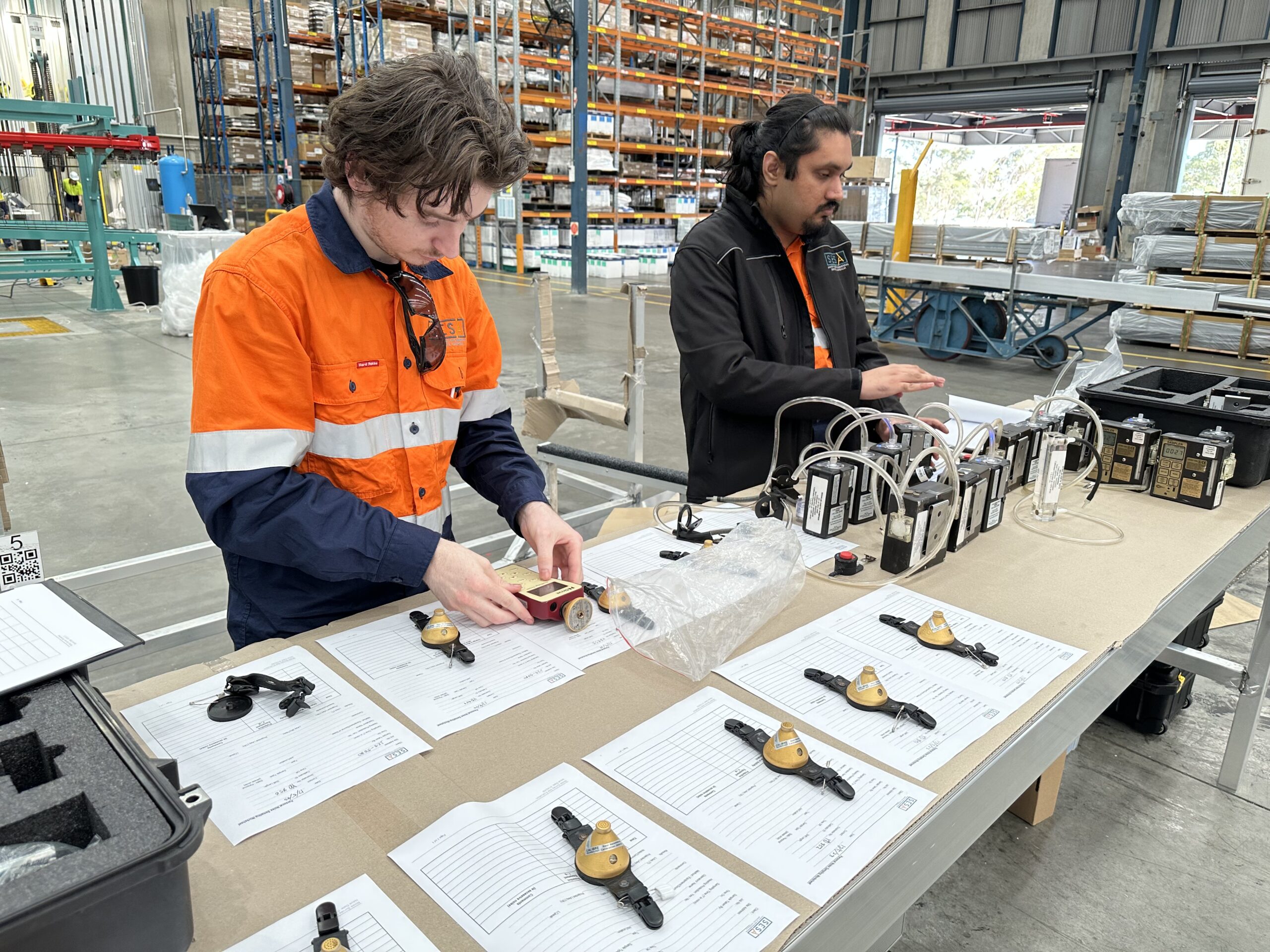
Health Safety Consultants’ occupational hygienists conduct comprehensive workplace noise surveys and exposure assessments in accordance with AS/NZS 1269 (Occupational Noise Management), the Work Health and Safety Regulation (NSW), and the Managing Noise and Preventing Hearing Loss at Work Code of Practice. Our assessments use NATA-accredited calibrated Type 1 sound level meters and personal noise dosimeters to ensure precise, legally defensible results.
Our workplace noise assessment process includes:
- Reviewing workplace operations, machinery, equipment, work areas, and Similar Exposure Groups (SEG)
- Inspecting previous noise surveys, existing control measures, and use of Hearing Protection Devices (HPDs)
- Performing walkthrough surveys using calibrated sound level meters and dosimeters to measure personal and area noise exposure
- Assessing individual, SEG, and area exposure against regulatory standards
- Evaluating the effectiveness of HPDs and other noise control measures
- Developing noise contour maps and a Noise Management Plan (NMP)
- Providing detailed reports with practical mitigation strategies
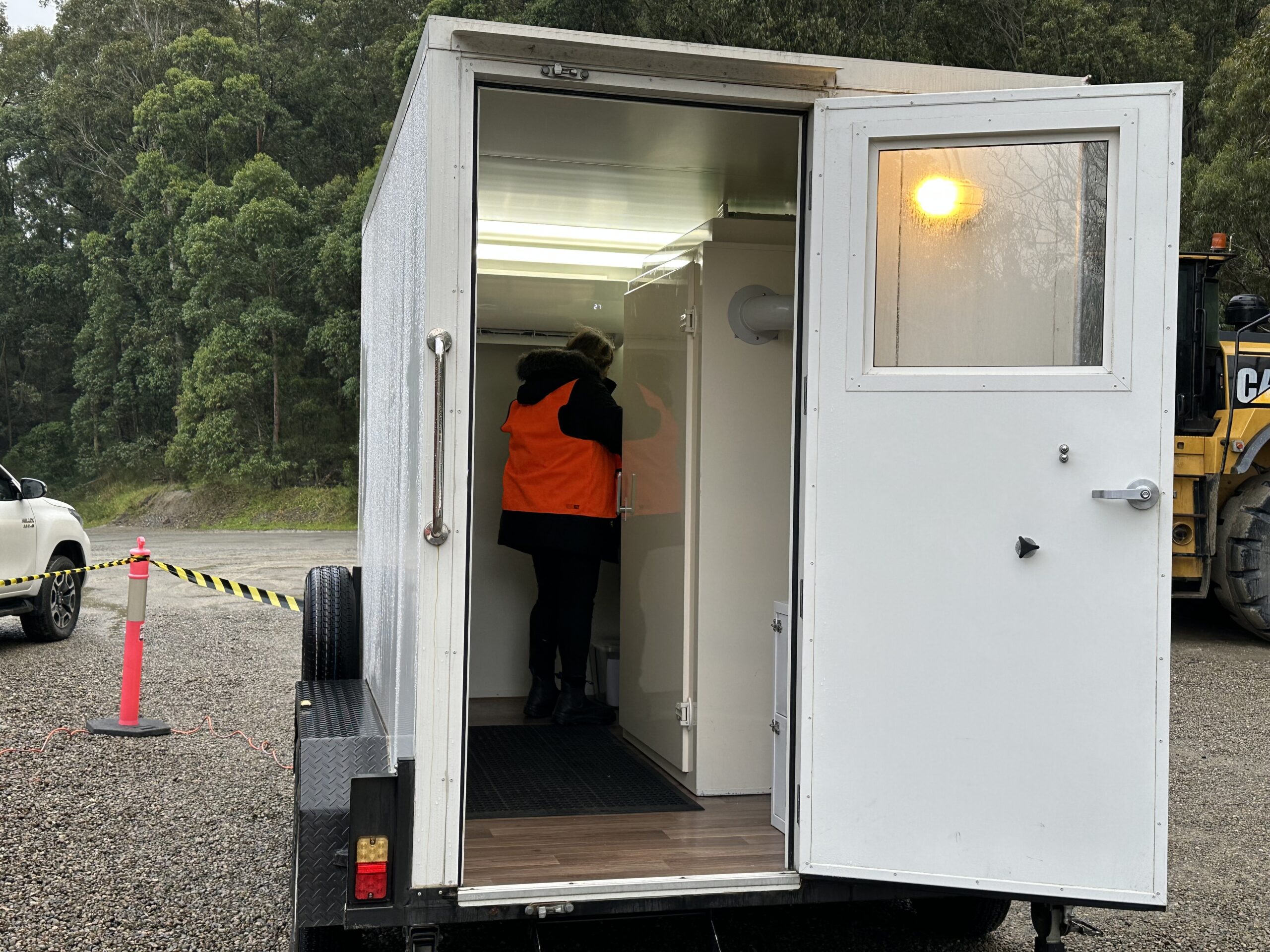
- Offering on-site mobile audiometric testing
- Supporting compliance audits and expert witness reporting when required
Common Sources of Workplace Noise
Workplace noise can come from:
- Industrial machinery, power tools, and production lines
- HVAC systems and ventilation equipment
- Repetitive or impulsive tasks, such as hammering or impact operations
- Environmental factors like room acoustics and reflective surfaces
Noise exposure can be worsened by ototoxic substances (solvents, lead), hand-arm vibration, or combinations of multiple hazards.
Health Effects of Excessive Noise
Hazardous noise damages the delicate hair cells within the cochlea of the inner ear. Once destroyed, these cells cannot regenerate, resulting in permanent hearing loss. Repeated exposure may initially cause Temporary Threshold Shift, where hearing recovers after rest periods, but continued exposure can lead to irreversible Noise Induced Hearing Loss (NIHL) or sudden acoustic trauma from high-impact noise events.
- Immediate effects: Distraction, headaches, fatigue, irritation, and temporary hearing loss
- Long-term effects: Permanent hearing loss, tinnitus, and acoustic trauma
- Secondary impacts: Increased stress, impaired communication, and higher risk of workplace incidents
Individual susceptibility varies, making professional noise assessment critical for risk management.
Controlling Workplace Noise
Effective noise management applies the hierarchy of controls:
- Engineering controls: Isolate, dampen, or redesign noisy equipment; install barriers
- Administrative controls: Rotate staff, limit exposure times, schedule noisy tasks, and implement safe work procedures
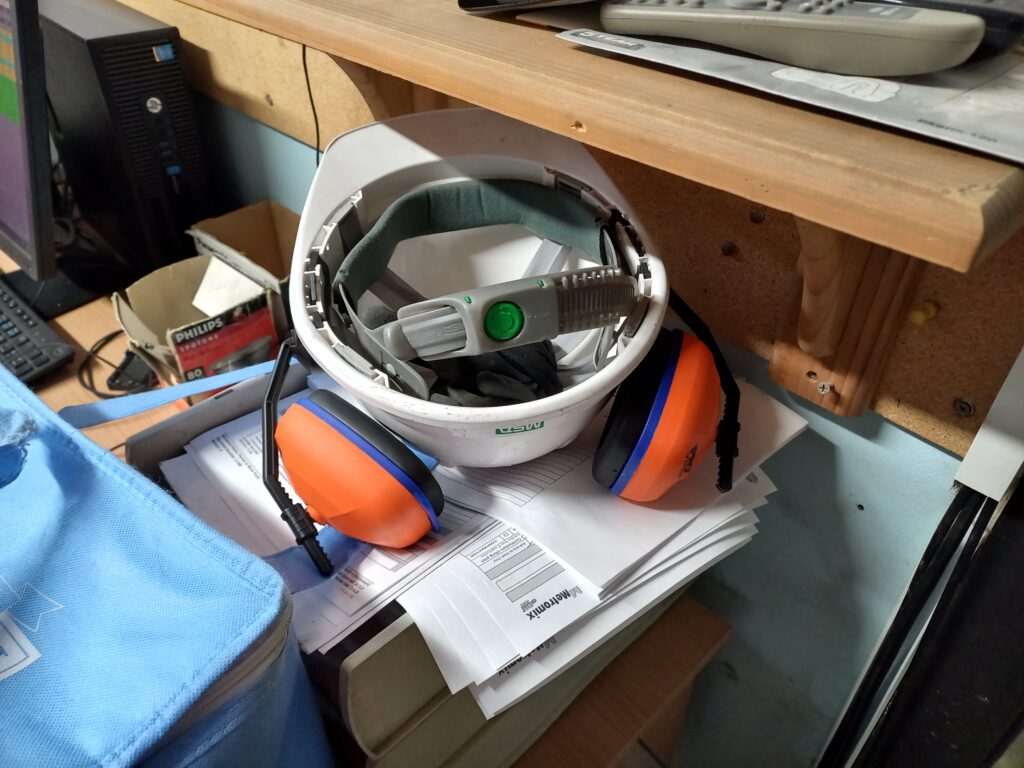
- Personal protective equipment: Provide appropriate HPDs and ensure correct use
A well-developed Noise Management Plan protects employees, improves communication, and supports productivity.
Professional Workplace Noise Assessment – Sydney & Central Coast
Our certified occupational hygienists deliver:
- Accurate noise monitoring and exposure assessments
- Compliance-focused reports aligned with WHS/OHS legislation
- Practical solutions tailored for offices, industrial facilities, warehouses, and commercial environments
- On-site audiometric testing and expert technical guidance
Protect your workforce, minimise the risk of hearing loss, and ensure regulatory compliance with our professional Workplace Noise Assessment services in Sydney and the Central Coast.